
To return to stay: what Ukrainians need for life in Ukraine – research results in 9 communities
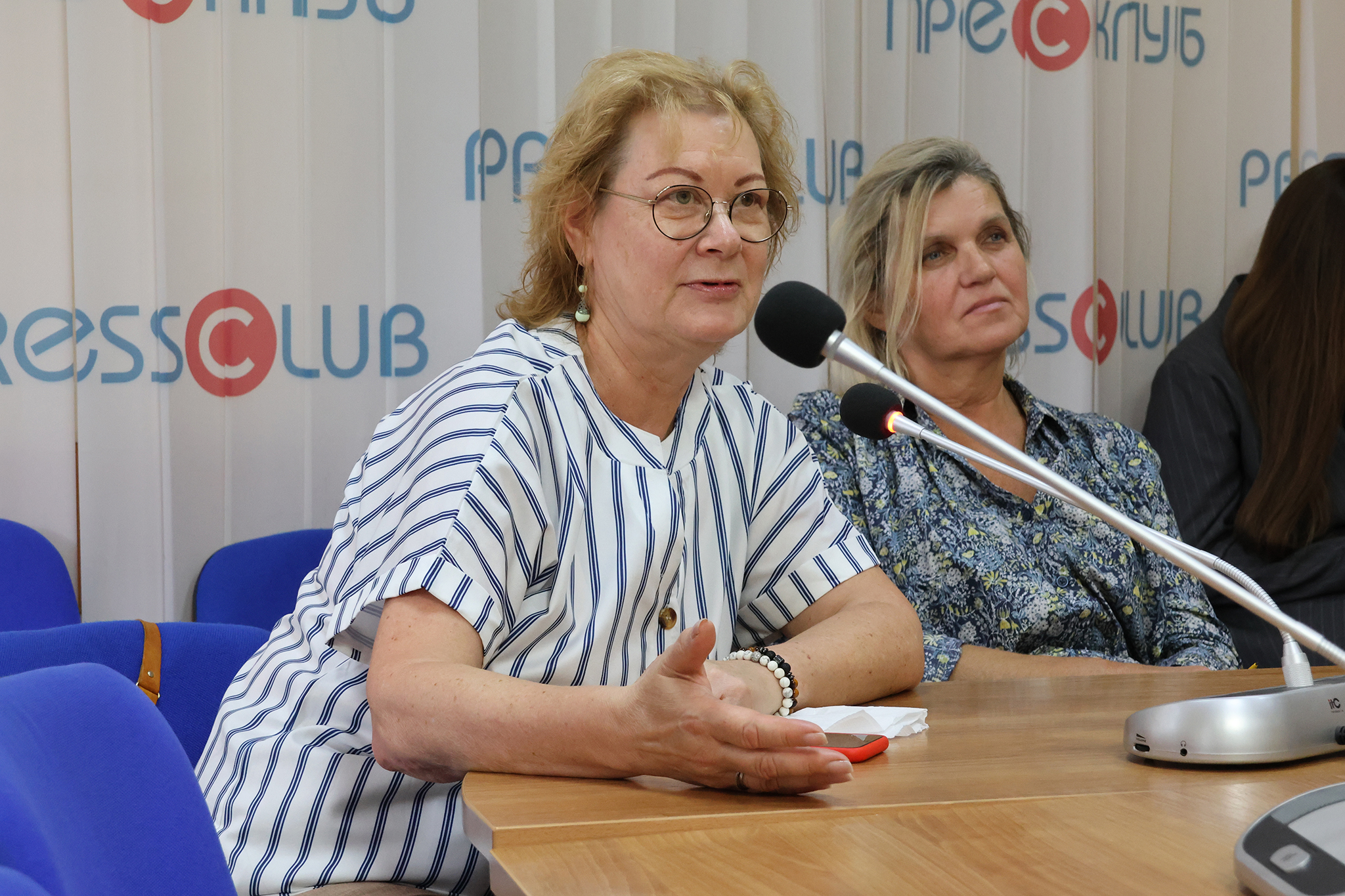
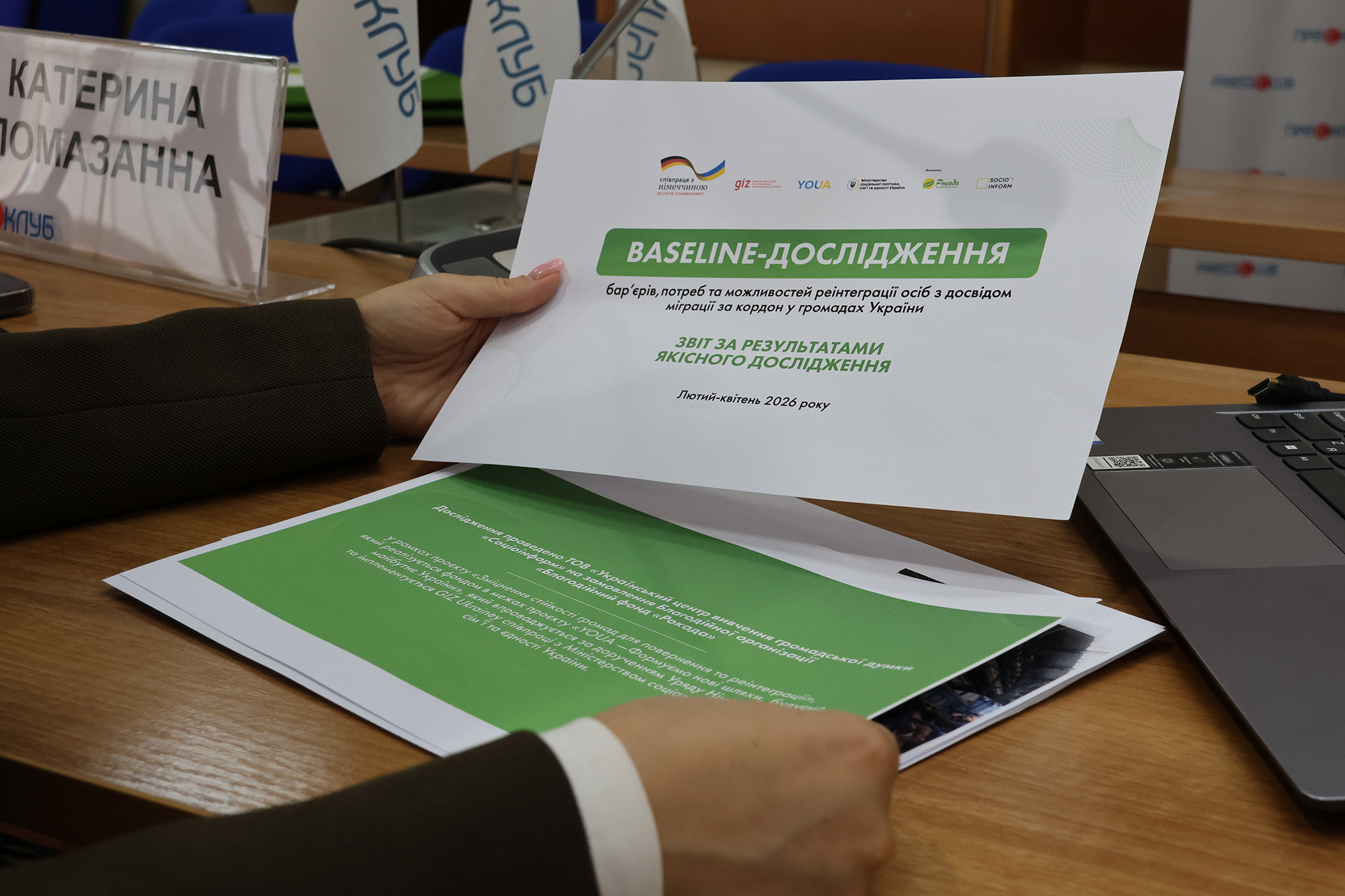
The Charitable Foundation Rokada, together with the analytical center Socioinform, presented the results of a comprehensive qualitative research that covered nine communities in Lviv, Vinnytsia, and Dnipropetrovsk oblasts. Its results showed: for people to return, the availability of job vacancies is not enough. Housing, decent income, access to services, support after return, and the opportunity to feel like part of the community again are crucial.
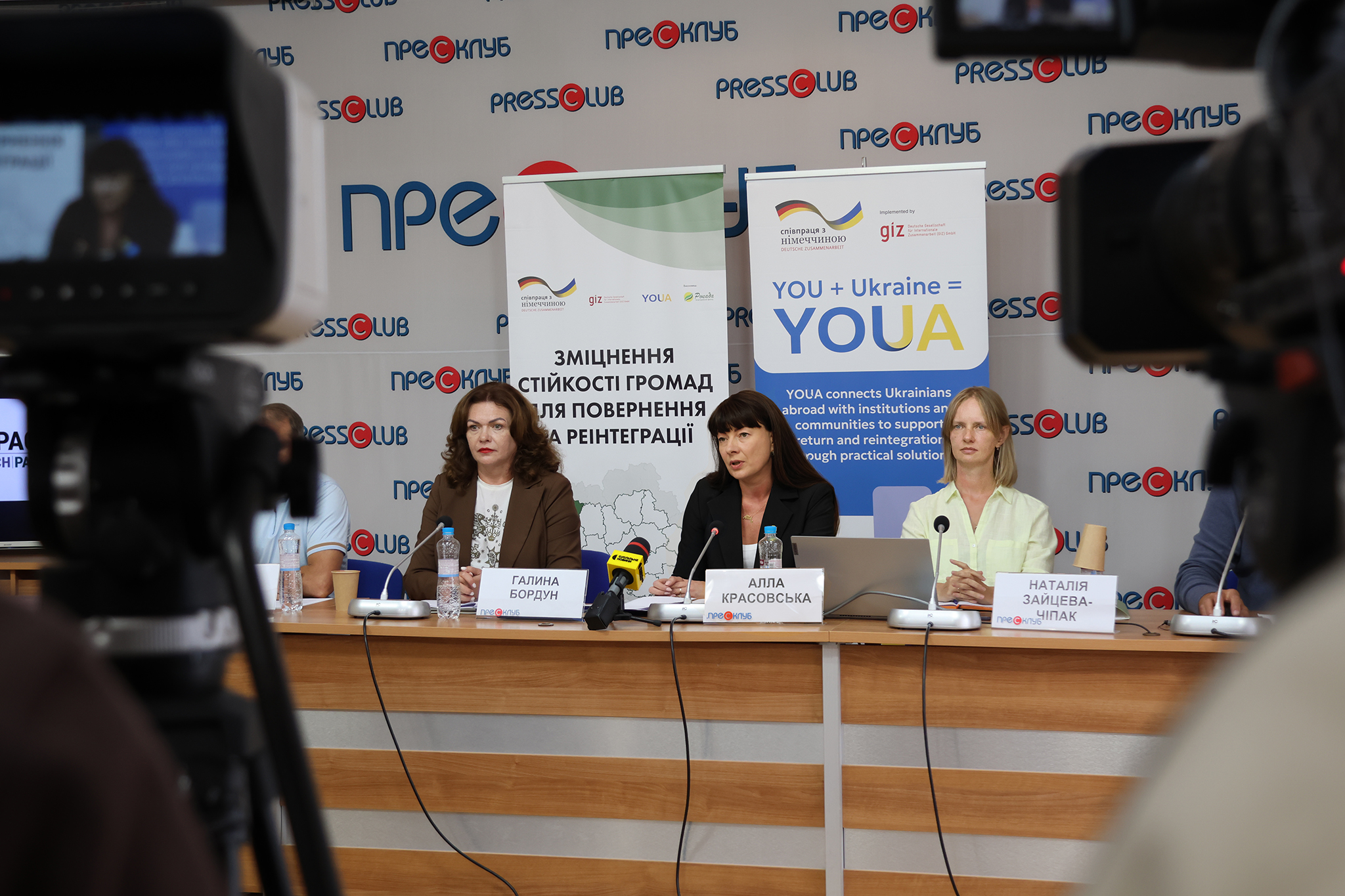
The study is based on 54 interviews and 18 focus groups. Particular attention was paid to small and medium-sized communities, for which the return and integration of people are especially important against the backdrop of demographic changes, youth outflow, and a shortage of specialists.
This made it possible to explore the experiences of people who returned to Ukraine and internally displaced persons after staying abroad, their needs and barriers, as well as the communities’ readiness to respond to these challenges.
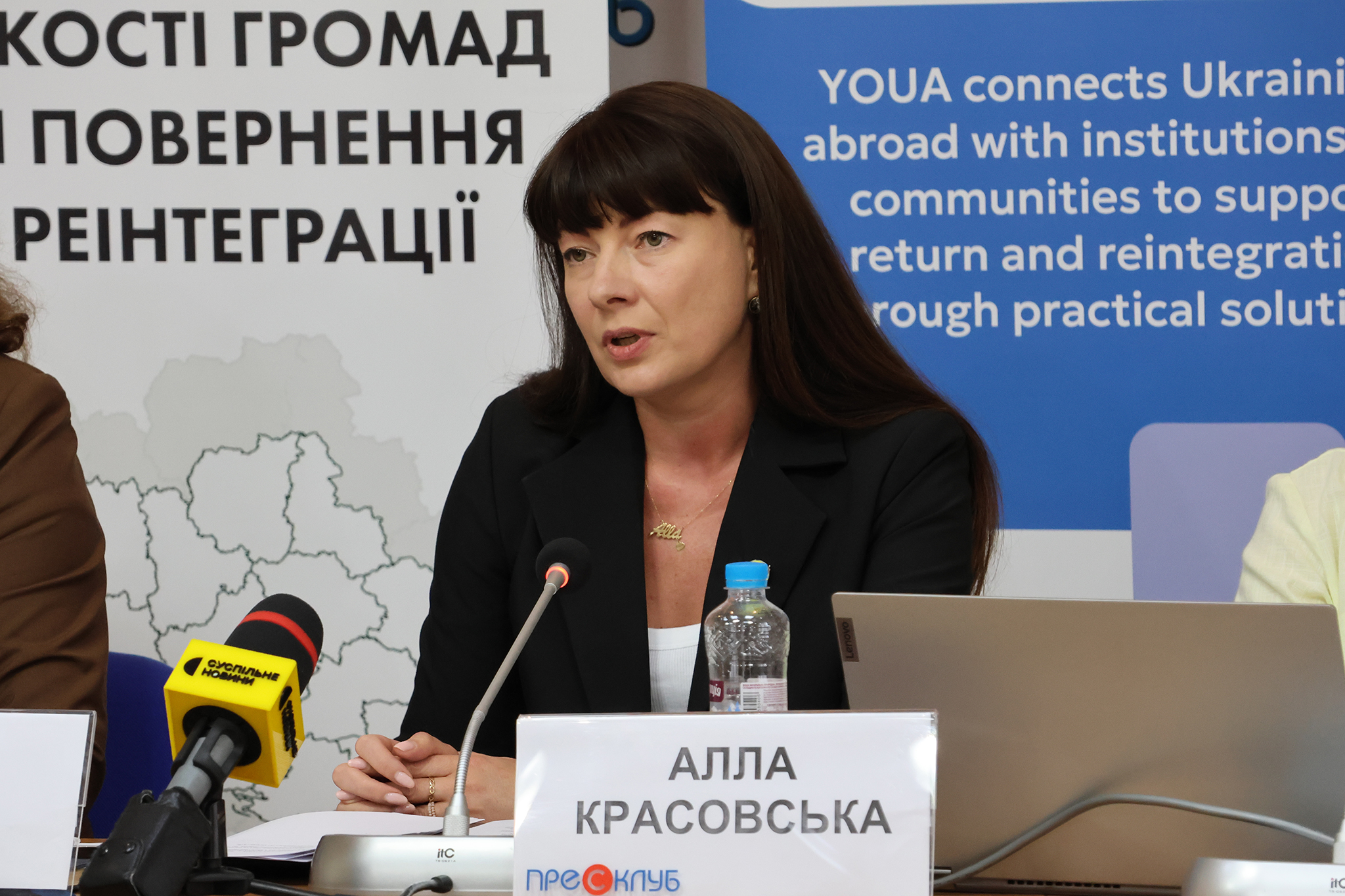
Alla Krasovska,
project manager, Rokada Charitable Foundation:
“We do not convince people to return, nor do we determine for them when and where they should return, as this is a personal decision for each individual. Our task is to help communities better understand the return processes and prepare for them.”
Housing and earning opportunities among key needs
The research results showed two basic needs of people upon return – housing and the ability to earn a sufficient income.
The availability of job vacancies alone does not solve the employment issue. People may need retraining, confirmation of qualifications obtained abroad, assistance with job searching, or support in starting their own business.
The issue of housing upon return requires a comprehensive approach. This is not only about providing new housing, but also repairing utilities, affordable rent, support in finding accommodation, local programs for subsidized mortgages, or temporary compensation for rent.
Equally important, upon return, people need access to medical and social services, psychological support, the adaptation of children to the Ukrainian education system, and clear information about available services in the community.
Returning is not enough – it is crucial to have reasons and the desire to stay
One of the key findings of the study is that it is important for communities to work not only on attracting people, but also on conditions that will help them stay and integrate into local life.
Researchers identified three important components: certainty, initial-stage support, and inclusion into the community. An individual must understand where they are returning and who they can turn to; receive the necessary support upon arrival; and have opportunities for communication, forming new connections, and participating in community life.
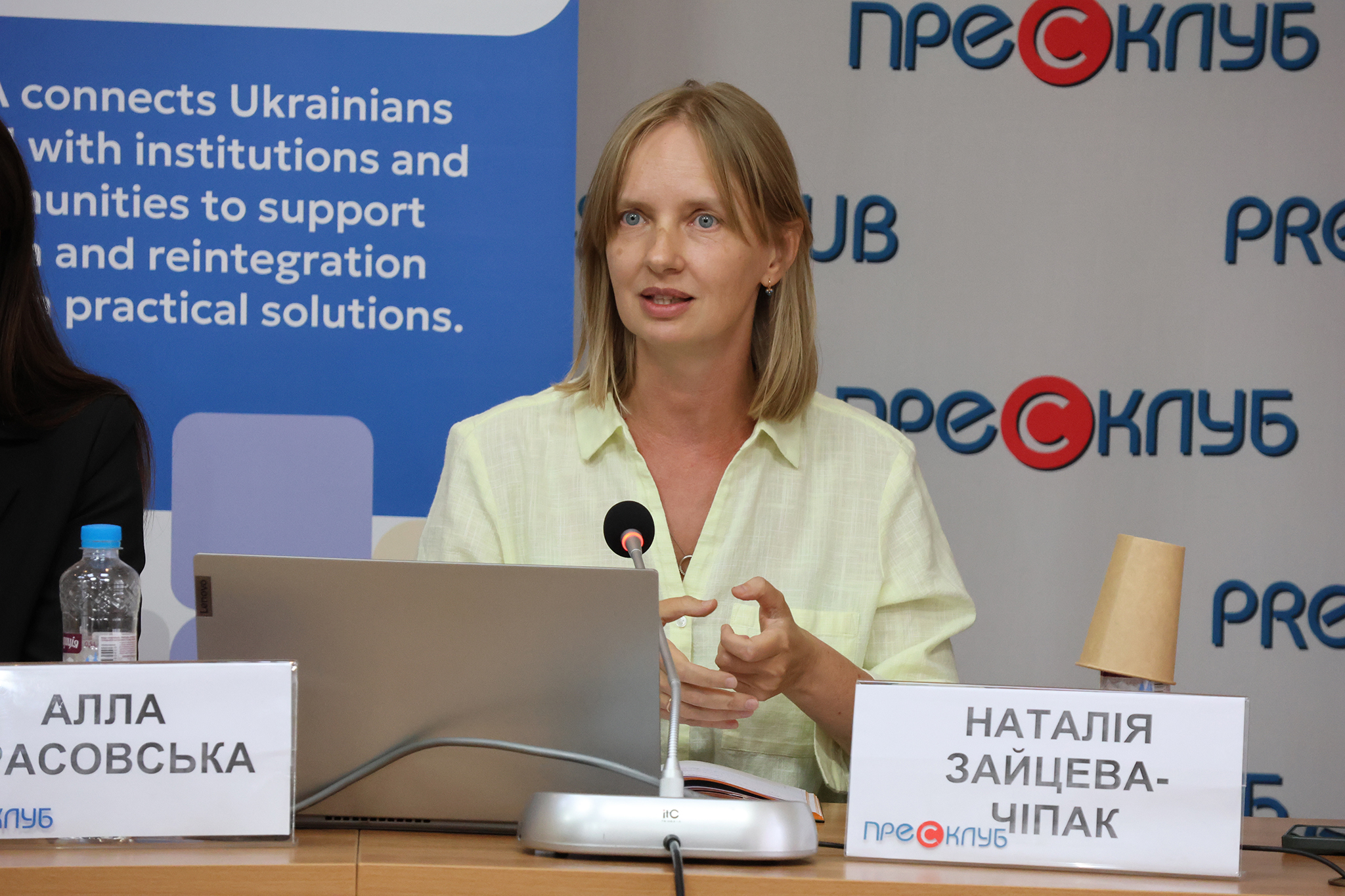
Nataliia Zaitseva-Chipak,
director of the Ukrainian Centre for Public Opinion Research Socioinform:
“Your home is where you are loved and welcome. It is where your friends are, where your loved ones are. These three components create not only the conditions for people to come, but also for them to stay.”
The attitude toward people with migration experience can also become a significant barrier. Study participants who have already returned mostly reported a positive attitude, but also noted instances of hidden judgment. For those who are only considering the possibility of returning, the fear of such an attitude can influence their decision-making.
Therefore, alongside housing, employment, and services, it is important for communities to invest in social cohesion, create spaces for interaction, and work toward a non-discriminatory and open environment.
The experience of communities confirms: housing remains one of the greatest challenges
The practical experience of the Drohobych community largely confirms the research findings. According to Mayor Taras Kuchma, people who are considering returning from abroad primarily need clear information about opportunities in Ukraine.
At the same time, the demographic crisis, wage levels, and housing remain particularly acute for the community.
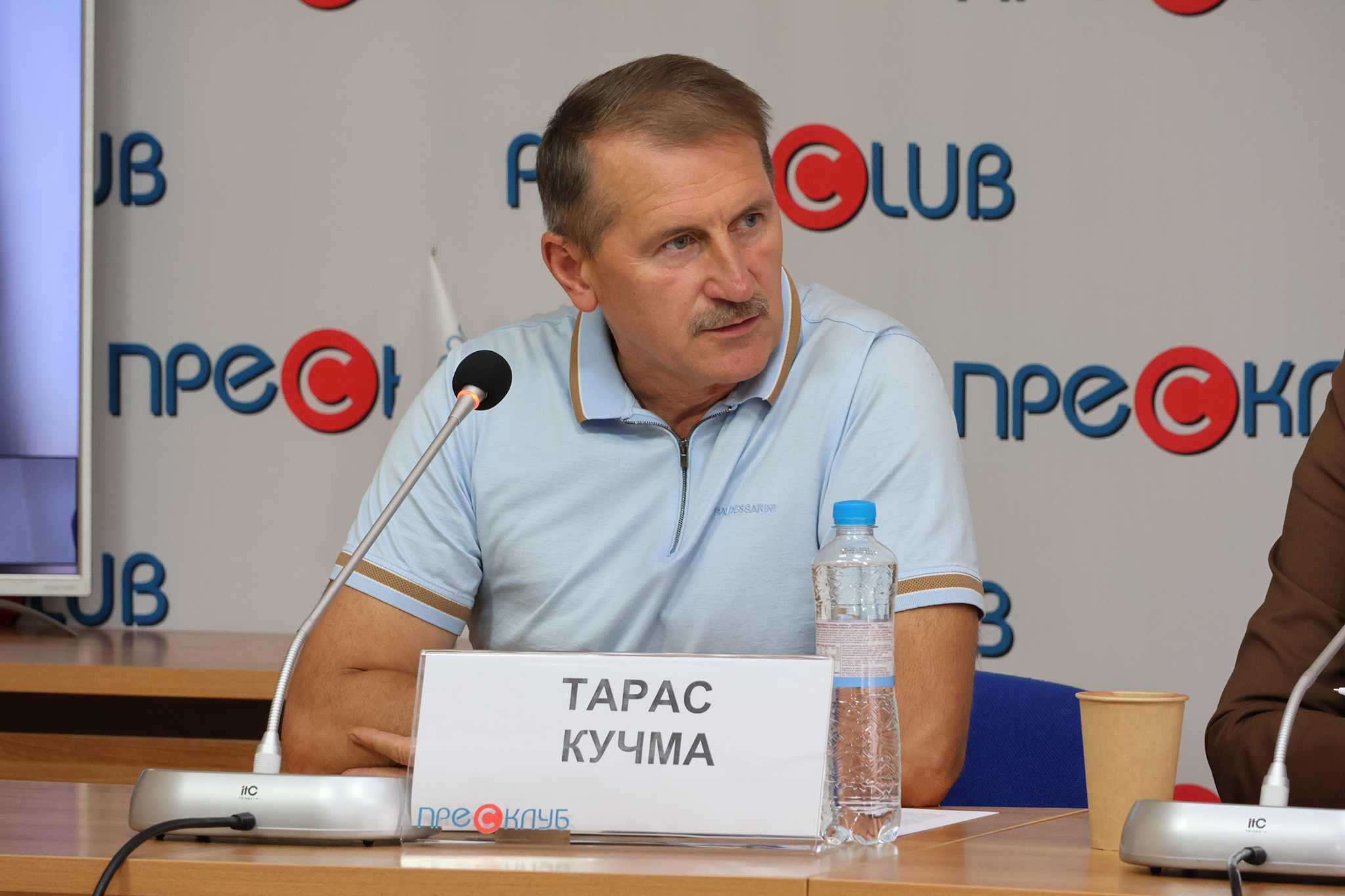
Taras Kuchma,
Drohobych мayor:
“Housing is the number one problem.”
He agrees with the research results that the availability of vacancies does not solve the issue of return: the wage level and the extent to which it allows a person to meet their needs upon return are what matter.
Another important conclusion is the role of public spaces. They are needed not only for urban improvement, but also for building social connections between people.
“People simply want to communicate. They want to turn off the TV, sit on a bench, and just talk to one another,” Taras Kuchma added.
The return is already taking place
During the presentation, Kateryna Pomazanna, Lead of the Research Team on Durable Solutions and Inclusion at IMPACT Initiatives, supplemented the results of the qualitative research with quantitative indicators.
According to the data she presented, 83% of surveyed returnees to Ukraine stated that they had never regretted their decision to return. However, the experience of living abroad changed the outlook of some respondents regarding where they see their future: among Ukraine’s advantages, people highlighted the accessibility of healthcare and public services, and over half of those surveyed rated career opportunities in Ukraine as more attractive than abroad.
According to experts, people who return are not a homogeneous group. The needs of those returning to their own homes differ significantly from the needs of people who, due to occupation, destruction, or the security situation, cannot return to their home communities and effectively become internally displaced persons.
From research to solutions in communities
The presented research is not the conclusion of the work, but rather the foundation for the next steps.
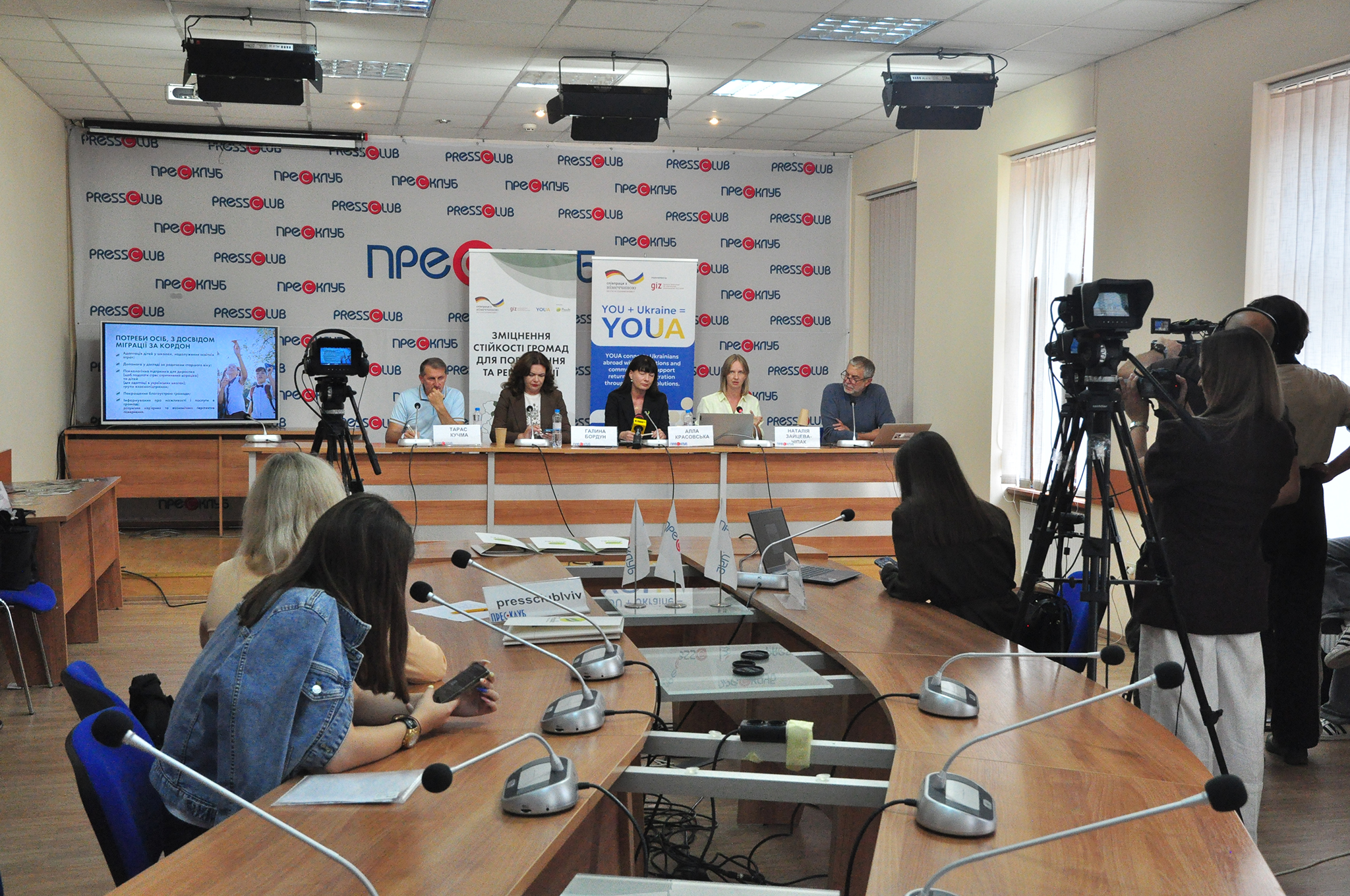
Dialogue meetings have already taken place in nine communities, with the participation of local self-government bodies, social sector specialists, non-governmental organizations, internally displaced persons, and people with return experience. During these meetings, participants identified specific local challenges and sought solutions that can work precisely within their communities.
For example, in the Tulchyn community of the Vinnytsia region, the winning initiative was Point of Power: Space for Active Integration. Its idea is to create an open place where everyone can communicate: those who have returned home, local residents, IDPs, veterans, youth, and families.
“For us, it was fundamental that this research did not remain just an analytical document, but became the foundation for decisions based on this data,” noted Alla Krasovska.
The project Strengthening Community Resilience for Return and Reintegration is implemented by the Rokada Charitable Foundation within the framework of the project YOUA – Shaping New Paths, Building the Future of Ukraine, which is commissioned by the German Government and implemented by GIZ Ukraine: Sustainable Economic Development.
The YOUA project provides technical assistance exclusively and does not influence individuals’ personal decisions regarding their return to Ukraine. Participation in events and the use of services are strictly voluntary for individuals who are considering returning, have already made such a decision, or are in the process of reintegration after returning to Ukraine.