
Veteran organisations from Lviv and Ivano-Frankivsk regions launch a capacity-building program
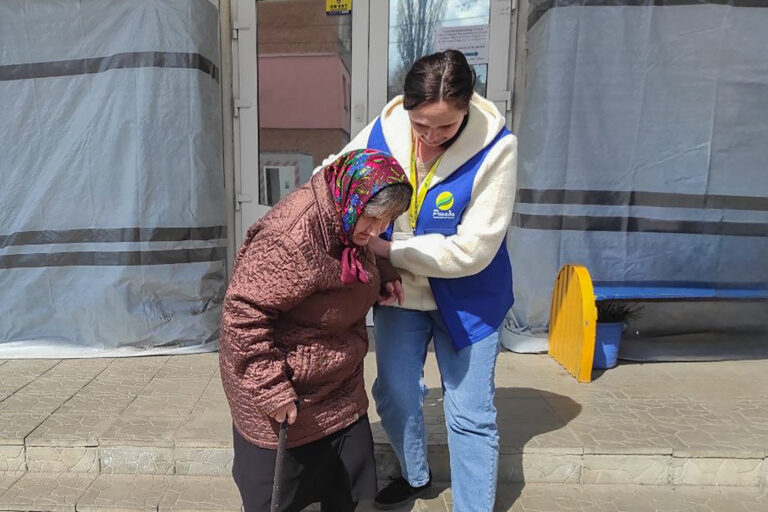
Veteran community organisations are often the first point of support for veterans and their families. Local teams help them access essential services, get consultations, return to work, start businesses, undergo rehabilitation, or simply ensure they do not face hardships alone.
To provide systematic assistance, these organisations need to develop their internal processes alongside responding to daily requests. This includes strategic planning, delegating responsibilities, building partnerships, securing resources, and improving community outreach.
In response to this need, the Rokada Charitable Foundation has launched a program providing mentorship, training, and technical support. The initiative will benefit 12 veteran communities across the Lviv and Ivano-Frankivsk regions.
The participating teams were previously selected for the capacity-building initiative under the “Veteran Reintegration through Employment, Capacity Building, and Advocacy” project. The programme offers these organisations a vital opportunity to strengthen their teams, refine internal processes, and confidently expand their community operations.
The following organisations (NGOs) are taking part in the project:
- LEDA Prykarpattia (Local Economic Development Agency Prykarpattia)
- Teply Obijmy (Warm Hugs)
- Trykutnyk (Triangle)
- All-Ukrainian NGO KRUK
- Dim Voyina (Warrior’s House)
- Piznai Svoiu Mriu (Discover Your Dream, named after Stepan Tarabalka)
- Phoenix ATO Veterans Support Fund
- Lviv Defence Cluster
- Soyuz Veteraniv Desantu (Airborne Veterans Union)
- Boyko Region Brothers-in-Arms (Pobratymy Boikivshchyny)
- Kebeta
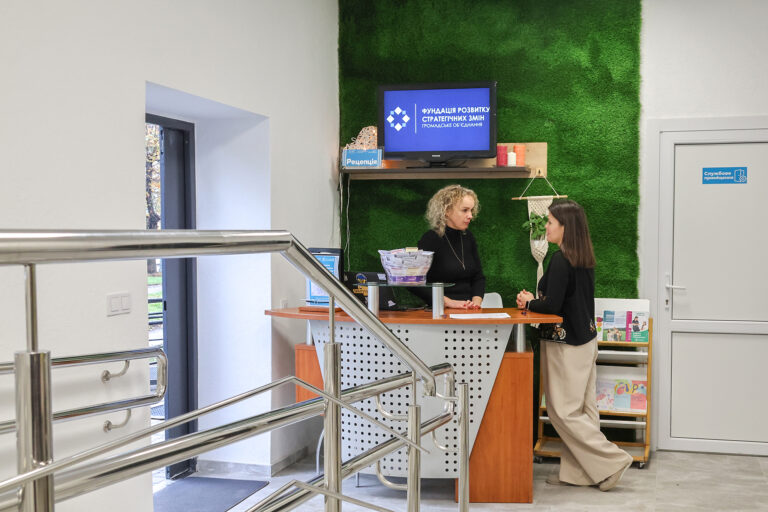
- Foundation for Development and Strategic Changes
The process will be tailored to each organisation, reflecting their unique experience, structure, and needs. Working alongside mentors, the teams will evaluate their internal operations to identify what works well and where improvements are needed. For some, the focus will be on a clearer division of roles within the team. For others, it will mean strategic planning, building partnerships, raising resources, or improving communication with local residents.
The institutional support will roll out in two stages
First, mentors will meet with each organisation to assess their current capacity. This phase will analyse internal processes, organisational structure, available resources, partnerships, communication, and core activities.The assessment aims to highlight each group’s strengths and identify areas for development. While one team might focus on strategic planning, others may prioritise internal communication, delegating responsibilities, raising resources, or building partnerships with local authorities and fellow organisations.
In the second stage, an individual development plan will be jointly created for each team. It will take into account the organisation’s experience, capabilities, needs, and working conditions in their specific community.
Next, the teams will receive training, mentoring, and material-technical support. Mentors will help gradually implement the planned changes, discuss operational difficulties, and find solutions that can be applied to daily activities. Training topics will be determined according to the organisations’ requests, and material-technical assistance will strengthen those areas of work that lack the necessary resources. Each team will have its own plan and work on tasks relevant to its operations and community.
“Veteran organisations are already doing remarkable work in their communities and are often the first to recognize people’s needs. Our mission is to help these teams assess their own capabilities, better structure their internal processes, and define their future direction. We want the knowledge and support they receive to remain with the organisations long after the programme ends, helping them deliver high-quality services for veterans and their families,” project manager Ivan Chubukin said.
Working with community organisations is part of the project’s broader approach. The Rokada team simultaneously works with veterans, supports grassroots initiatives, and gathers practical data on the barriers people face when returning to civilian life. The insights gained will be used to advocate for changes and improve existing support mechanisms.
Strengthening these organisations is, above all, an investment in the sustainability of local assistance. When a team has a clear structure, defined goals, established partnerships, and the necessary resources, it can plan its work with greater confidence and better respond to people’s needs.
The project Veteran Reintegration through Employment, Capacity Building, and Advocacy is implemented by the Rokada Charitable Foundation in cooperation with the non-governmental organisation Bevar Ukraine. The initiative is supported by CISU – Civil Society in Development, an association through which the Danish Ministry of Foreign Affairs funds and supports civil society projects in international development and partnership.